
Bone Grafting West Palm Beach
Getting the Jaw Ready for Dental Implants
When our team is evaluating your candidacy for dental implants, one important factor that we need to consider is your jawbone density. A certain amount of bone is required to ensure that the implant posts have the support they need. If there currently isn’t enough bone density in your jaw, don’t worry; you may still be able to get dental implants after bone grafting in West Palm Beach! Don’t hesitate to call our team at Palm Beach Dental Excellence to learn more about this service and what you can expect from it.
Why Choose Palm Beach Dental Excellence for Dental Implants?
- Experienced, Highly Educated Dentist
- Practice That Utilizes the Latest Technology
- Sedation Options for Anxious or Nervous Patients
What Is Bone Grafting?
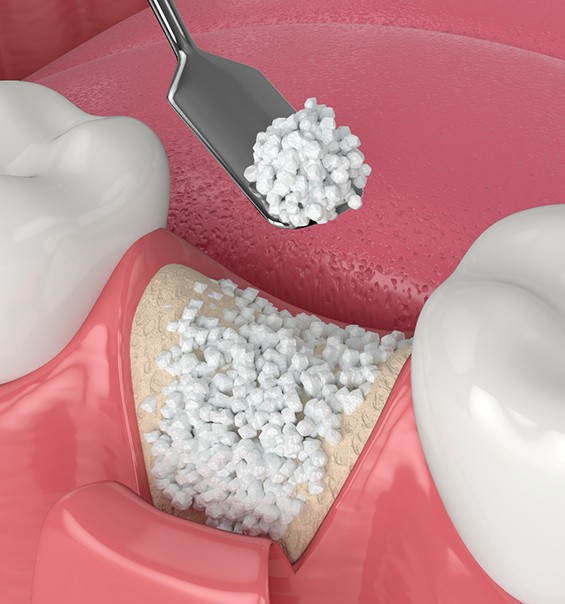
Dental bone grafting involves applying new bone tissue to damaged or deteriorated areas of the jawbone. The grafting material gradually becomes part of your jaw, thus increasing bone density levels.
Sometimes bone grafting involves bone tissue that has been taken from another part of your body. However, in some circumstances, the tissue may come from a donor, or artificial grafting material may be used instead.
Bone grafting may be necessary before dental implant surgery if you have experienced bone loss in your jaw as a consequence of missing teeth. It might also be required if your jawbone is naturally thin.
The Bone Grafting Process
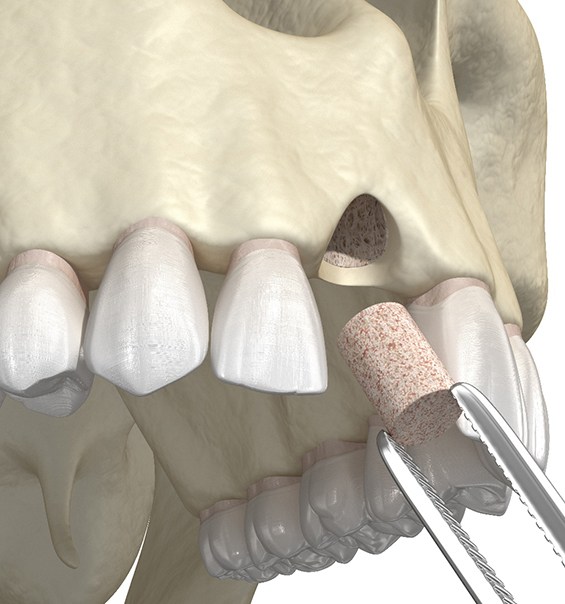
The bone grafting procedure generally involves the following steps:
- The mouth is numbed with a local anesthetic.
- The gums are opened in order to grant access to the underlying bone.
- After the area has been properly cleaned, the grafting material is carefully applied.
- Once the grafting material is in place, the gums are sutured shut.
After the procedure is complete, you will normally need to wait several months for your mouth to fully heal. The exact length of time can vary from patient to patient. You’ll be ready to receive dental implants once the grafting material has fully become part of the jaw.
Bone Grafting Aftercare

Following your surgery, you’re likely to experience some discomfort and swelling. These symptoms will normally last around one or two weeks. You can take over-the-counter pain relievers to keep your discomfort under control, and you can reduce swelling with a cold compress.
Immediately after dental bone grafting, you should plan on only consuming liquid foods. After the first 48 hours, you can start incorporating soft foods into your diet. Mashed potatoes, scrambled eggs, and yogurt can all be good options. Stay away from particularly hot foods, as they can irritate the surgical site and increase your discomfort.
Pay close attention to your post-surgical symptoms throughout the recovery process. If they fail to improve over time or seem to grow more severe, please call us immediately.