
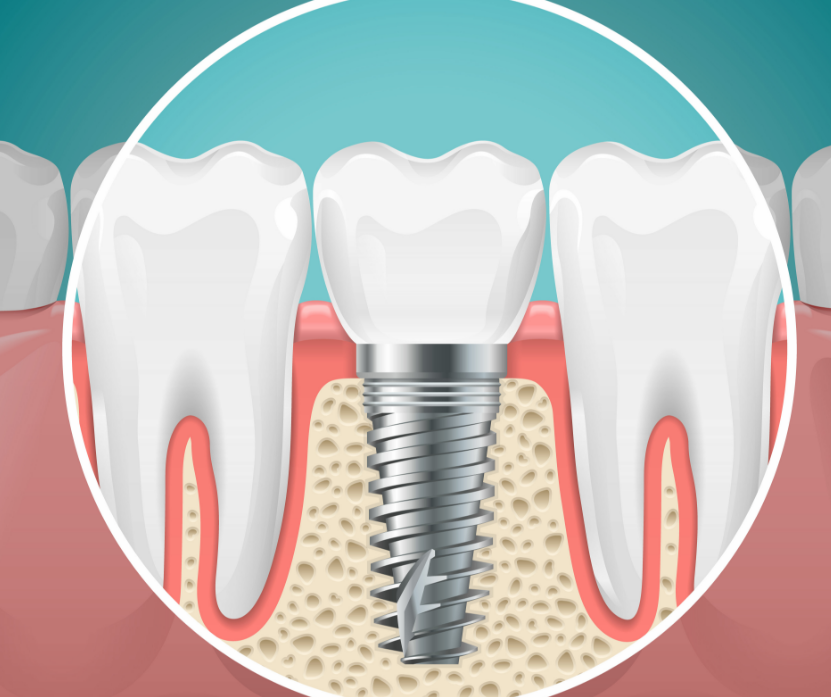
Dental implants are a long-term solution for replacing missing teeth, but their success doesn’t end once treatment is complete. Proper care at home and regular dental visits are essential to help implants stay strong, functional, and comfortable for many years. Knowing what to do — and what to avoid — can make a significant difference in the longevity of your dental implants.
Do Practice Excellent Oral Hygiene
Dental implants may not be natural teeth, but they still require consistent oral hygiene. Brushing at least twice a day and flossing daily helps remove plaque and food particles that can build up around the implant and gumline. Neglecting oral hygiene can lead to inflammation or infection around the implant, which may compromise its stability over time.
Using tools designed for implants, such as soft-bristled toothbrushes or interdental cleaners, can help you clean hard-to-reach areas without irritating the surrounding tissue.
Don’t Ignore Your Gums
Healthy gums are essential for supporting dental implants. Redness, swelling, bleeding, or tenderness around an implant may be early signs of gum disease or peri-implantitis. These conditions can weaken the bone and tissue that hold the implant in place if left untreated.
If you notice any changes in how your gums look or feel, it’s important to schedule a dental visit as soon as possible. Early intervention can help protect both your implant and your overall oral health.
Do Attend Regular Dental Checkups
Routine dental visits play a critical role in maintaining dental implants. During checkups, your dentist can examine the implant, surrounding gums, and bone structure to ensure everything remains healthy. Professional cleanings also help remove plaque and bacteria that brushing alone may miss.
Regular monitoring allows potential issues to be caught early, before they develop into more serious problems that could threaten the implant.
Don’t Use Your Implants as Tools
Dental implants are designed for chewing food — not opening packages, biting fingernails, or chewing ice. Using implants for non-food purposes places unnecessary stress on the restoration and can lead to damage or loosening over time.
Avoid habits that put excessive pressure on your implants, especially if you clench or grind your teeth. Your dentist may recommend protective options if grinding is a concern.
Do Be Mindful of Your Diet
While dental implants are strong, maintaining a balanced diet supports overall oral health. Limiting sugary and acidic foods can help protect the surrounding gums and reduce the risk of infection. Staying hydrated also supports healthy saliva production, which helps wash away bacteria.
If you’ve recently received implants, following dietary recommendations during healing is especially important to allow the implant to properly integrate with the jawbone.
Don’t Skip Care After Healing
Once implants feel comfortable, it can be tempting to assume they no longer need special attention. However, long-term care is just as important as early healing. Consistency with hygiene and dental visits helps ensure implants remain stable and functional for decades.
By following these simple do’s and don’ts, you can protect your investment and enjoy the benefits of your dental implants for years to come.
About the Practice
Dr. Mihran Asinmaz of Palm Beach Dental Excellence provides comprehensive dental care, including dental implant treatment designed to restore both function and confidence. Our experienced dental team focuses on long-term oral health, offering personalized guidance to help patients properly care for their dental implants and maintain healthy smiles through preventive and restorative services.
Call us at (561) 640-9200 or request an appointment online.